How to Host a Game Night That Actually Works
How to host a game night that actually works: pick the right games, plan the timing, set up the room and keep guests happy from start to finish.
Avram Mitrovic4 min read0 likes0 comments
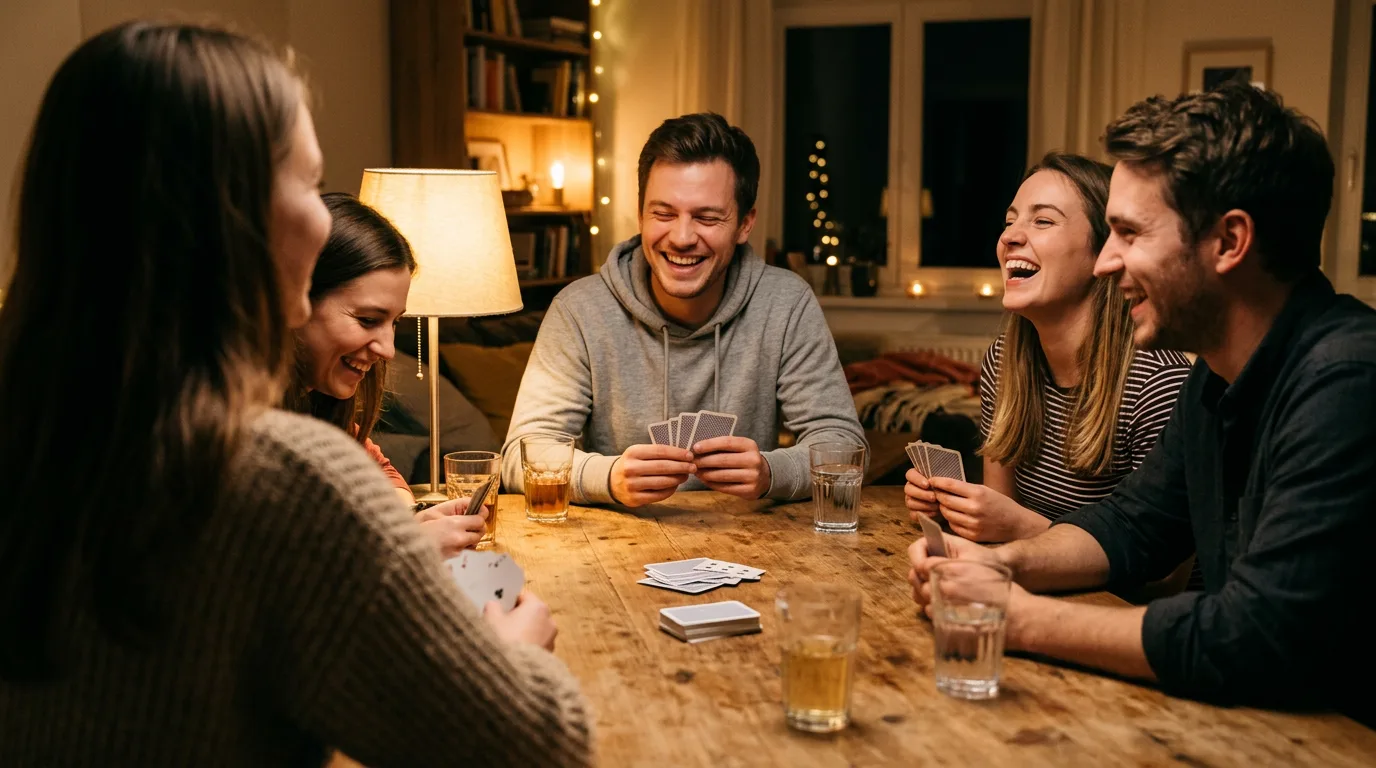
Learning how to host a game night that actually works comes down to a handful of small decisions made before guests arrive. Pick games that suit the group, plan the order and keep the room comfortable. This guide walks through each step, drawing on common advice from experienced hosts.
A good game night has a clear shape: a quick opener, one main game and a closer. The host's job is to keep the pace steady, make sure everyone understands the rules and avoid long gaps. Below are eight steps that cover the whole evening, from the guest list to the last round. The most important step is the first one: know who is coming. A game for six does not work for two, and a game for two does not work for ten.
How This Guide Was Put Together
This guide draws on advice that appears often in the rules of popular games and in discussions among hosts on large board game sites. We focused on issues that come up again and again: group size, rule teaching, timing and food. We left out advice that depends on a specific game. We also kept the steps in the order a host actually meets them, from the invitation to the last round.
The Steps
Step 1: Know your group. Count the guests and think about their experience. A mix of new and seasoned players needs a light opener.
Step 2: Pick three games. Choose one short opener, one main game and one closer. This gives you a choice if the mood changes.
Step 3: Read the rules ahead. Spend ten minutes reviewing the rulebook of the main game, so you can teach in under five.
Step 4: Set up the room. Clear the table, add good light and keep drinks off the board. Provide enough seats for every guest.
Step 5: Plan snacks. Choose finger food that does not leave grease on cards. Place it on a side table.
Step 6: Teach quickly. Give the goal in one sentence, then the turn, then special cases as they come up.
Step 7: Add a break. After the main game, bring out something active so people can stretch and mingle.
Step 8: End on a high note. Stop when people are still having fun and suggest a date for the next night.
At a Glance
| Stage | Time | Notes |
|---|---|---|
| Opening | 15-20 min | Light, easy-to-teach game |
| Main event | 45-90 min | The night's main game |
| Break | 10-15 min | Snacks and an active game |
| Closer | 15-20 min | Short, funny game |
Verdict
The best game nights are simple. Pick the right games, keep the rules short and plan a break. If you do those three things, most groups will ask for another night. A simple plan beats a clever one, and a host who looks relaxed makes the guests relaxed too.
Who This Guide Is For
This guide suits first-time hosts, people who want to improve a regular game night and anyone who has watched an evening stall. It fits groups of four to ten. It is less useful for tournaments, which need more structure. It also helps hosts of recurring nights who want to rotate games without repeating them too often.
Buying Tips
Start with a small shelf of games that cover different moods. A word game, a strategy game and a quick card game cover most nights. Add an active game for breaks. Keep a pad and pencils, a few extra chairs and a set of coasters in the same box. A small basket of snacks and a stack of napkins also saves cards from stains.
Real-World Scenarios
For a first night with four friends, pick Sushi Go! as the opener, Ticket to Ride as the main game and Just One as the closer. For a group of eight, open with Codenames and add Wavelength. For a family night with kids, start with a short card game and keep an active game ready.
Common Mistakes to Avoid
The biggest mistake is choosing a game that is too long. Another is teaching the rules in a long speech. A third is ignoring the room, so guests sit in the dark or at a wobbly table. A fourth is playing a competitive game with a group that wants to chat. Match the game to the mood.
FAQ
How many games should I plan for a game night?
Three is enough: an opener, a main game and a closer.
How long should a game night last?
Two to three hours suits most groups.
How do I teach a new game quickly?
Give the goal, the turn and then the exceptions as they come up.
What if guests are shy?
Start with a team or cooperative game that lets people join without pressure.
Closing
A game night works when the host keeps it simple. Pick the games, plan the break and keep the pace. For a list of games that suit a first night, see our guide. Keep a small notebook of what worked, and the next night will be easier.